Sunday, 13 April 2014

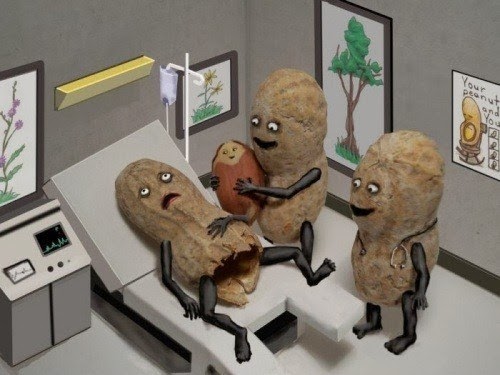
ROTATION # 6: OBSTETRICS & GYNOCOLOGY


Obs/Gyn went by quickly. It was a quick exposure to women’s health. I had a blast in this rotation. This is what I experienced.

Nurse Preceptorship Day 

This day I was paired up with a nurse on the high risk delivery ward. This was to promote interprofessionalism and to learn the important role of nurses during labour and delivery. As I mentioned on my last post this is when I saw my first delivery.

Clinics
 

I spent a week and a few days going to obstetrics and gynecology clinics. The obstetrics clinics were fun! Each mom I saw was generally excited about their new baby. Most patients were healthy women who were pregnant. This is the basis of a prenatal exam.

1. Ask the mom about any nausea, vomiting, pelvic bleeding, contractions, change in discharge and fetal movement as well as any concerns they may have.
2. Take blood pressure, fundus height and fetal heart rate with a doptone ultrasound.
3. Record on the prenatal worksheet
4. For new patients a family history of both parents are taken.  The due date is determined as well as obstetrical history. We ask how many times they have been pregnant (gravida) and how many times pregnancy lasted > 20 wks (para) also any abortions either therapeutic or spontaneous. We also ask a few details about their past pregnancies including mode of delivery and any complications.

I loved this exam because it was fun feeling the babies in the mother’s stomach, talking to the moms about names they have picked out and if they know it is a boy or girl. I also did group B strep swabs which are done between 35-37 wks and postpartum visits. For postpartum visits you ask about the 5 B’s. Blues, Baby, Bum, Birth control and Breast feeding.

Gynecology exams were different. This coincided with the normal history taking including obstetric history and gynecological history. We also ask about the nature of their menstrual cycle. Here are a few things that I saw/did.

Postmenopausal bleeding
Endometrial biopsies
Pelvic Exams
Pap smears
Menorrhagia
Follow up of Incision & drainage of vulvar cysts
Lichen sclerosis
Post-menopausal atrophic vaginitis
Pre-conception counselling

Obstetrical Wards
I spent a week with the team on Obs. Here we looked after, antepartum, labour and delivery, post-partum and triage. Antepartum patients are patients who have been admitted due to complications during pregnancy. This includes eclampsia, uncontrolled gestational diabetes, threatened preterm labour (TPTL) (usually patients present with contractions and some dilation of the cervix between 24-37 wks). Preterm premature rupture of membranes (PPROM) water breaking before 37 wks. In post-partum I managed mainly post caesarean section patients especially those who’s had complications during pregnancy.  Triage I would describe as similar to emergency but for pregnant and post-partum women. I was also able to observe and assist on some vaginal deliveries and be the primary deliverer for one, which was amazing. I wish I was able to do more!


Gynecological Wards

I spent one week with the gynecological team. This consisted of patients with gynecological issues such as pain due to ruptured ovarian cyst and gynecological oncology. We were responsible to round on the patients in the morning and oversee their treatment.  I was also able to watch a few surgeries such as a total laparoscopic hysterectomy, incision and drainage of a vulvar abscess and dilation and curettage (D&C).

Skills Lab

Unfortunately this came at the end of my rotation which was due to how the scheduling fell. This was an awesome summary of Obs/gyn. We were able to role play how it would be like on the wards with a labouring mom. There was also an enactment of a delivery as well as practice with pap smears, endometrial biopsy and placing IUDs and mirenas. We also had a suturing skills lab which I wish I had done earlier so I would have been able to repair minor tears during the deliveries I was involved in. This included how to hand tie and the proper way to suture vaginal tears.

There were also some academic days which included lectures from the attendings as well as great presentations done by the medical students (Due to the timing of the rotation I didn’t have to do one :P) There were also very interesting presentations in the morning such as high risk rounds, grand rounds and gyn/onc rounds.

This was one of my top favorite rotations. I really enjoyed learning women’s health and loved delivering babies.

Saturday, 8 March 2014

HALF WAY THROUGH ROTATIONS!!


Our half way point through rotations was marked on our academic day. The day was dedicated to a special guest, Roderick Hooker, PhD, MBA, PA-C. Dr. Hooker has been author to over 200 publications and has written articles and books primarily on physician assistants. We had a questioning session picking his brain on some of the things he knows about the future of physician assistants and his research pertaining to their impact on health care. He also gave a lecture at the end of the day of the future of health care and gave interesting facts pertaining to the changing face of medicine.


PA interview Day 

Unfortunately I was unable to participate because I was unable to leave the day from my rotation but I was able to stop by and chat with some potential PA students. I was surprised how many people read my blog and recognized me. I'm appreciative and am ecstatic that my blog has been helpful. I wish all of you best in your future endeavors.


OBs/Gyn preview - FIRST DELIVERY!


During my nurse preceptorship day last Friday I witness my first delivery. I must admit yes it was messy and yes it looked painful but I felt an overwhelming rush of emotion when the baby was born and given to her mom. I felt as if I was witnessing a miracle. It was a great interprofessional day, learning from the nurses and providing patient care.


Dealing with anxiety


I wanted to write about this topic for some time to give some tips if you begin to feel this during your rotations. Looking back at the last 6 months there has been some embarrassing moments and times when I felt dumb and didn't know anything. Here are a few things to think of that might help during anxiety driven moments

  1. Grounding: Remind yourself not to personalize feedback. Remember you are there to learn and the attending or nurses may yell at you or make you feel low but it’s NOT about you.
  2. When presenting cases: Keep focus or your attention to the audience and material. Try not to focus on yourself or your anxious feelings.
  3. Regulate anxiety if necessary (breathing and exercise)
  4. Studying anxiety: Always approach the stimulus that is causing anxiety –. Studying will decrease anxiety.


Alright I’m off to catch more babies :)

Thursday, 6 February 2014

Rotation #5 - Family Medicine/ Primary Care


Two months in Family Medicine/Primary Care One month to go

FAMILY MEDICINE

Family medicine is a change of pace compared to my last rotations. It has expanded my knowledge on what I thought medicine was. In family medicine a lot of what it comprises of is preventative medicine, holistic medicine, patient education and building a strong patient-provider relationship.  I’ve been fortunate enough to have a working physician assistant who has graduated from the same program at my rotation site. I’ve been able to see what our role is as a working physician assistant and most importantly our potential. 


A TYPICAL DAY

7:00 amHOSPITAL ROUNDS – We round on our patients who have been admitted. I would see patients with the doctor and PA and write progress notes. I have dictated admission history and physicals as well as discharge letters.

9:30am – 4pm or 5:30 pm depending on the schedule

CLINIC: During Clinic I see patients and introduce myself and do my H&P. The doc likes what he termed “max packing” going through each of the issues on the patient’s problem list. With the introduction of the EMR (electronic medical records) everything is computerized. This allows us to go through the patient’s history and issue list at each visit. This maximizes the visit to minimize the need for the patient to return. After I go through the patient’s issues I continue with my exam and wait to present to the doctor. I try my best to come up with a differential and plan and we discuss it together. 


TASKS: This includes calling patients who need to come in for follow up appointments or need lab work done. I’ve reviewed faxed prescription refills. I’ve also done a small data collection project on breast cancer survivorship and a quality improvement checklist for a patient admitted to hospital.  

NURSING HOME ROUNDS (once a week) - We visit patients in the nursing home who have had issues during the week and look over pending lab work. You learn the difference on how you would medically treat patients in nursing homes compared to those in the community. In the nursing home most management is conservative and for comfort. Invasive treatments or investigations are not usually done.

HOME VISITS (~ once every two weeks) – When I learned we did house visits I was shocked. I thought this was what was only done in the olden days. Since our clinic has a physician assistant, the PA goes out to do the home visit while the doctor can continue to see patients at clinic. I’ve gone with the PA to different patient’s homes in the community. We see patients who are unable to transport themselves to the clinic. We also see patient’s at home who are palliative and discuss end life decisions. This prevents/decreases the number of vulnerable patients presenting to emergency and subsequently admission to hospital. Home visits are fun. It is very heart warming and the patients are very appreciative. 


INTERPROFESSIONAL MEETINGS: In hospital when a patient needs help planning for discharge a meeting is held with different health care professionals. I was able to sit in a few of these meetings. Those present in the meetings include us (physician assistant), home care, social work, occupational therapy, physiotherapy, nursing, the family and the patient. There is a very strong force that can be felt when all these professionals get together to come up with a plan.

WHAT I’VE SEEN/DONE/TREATED

Depression/Anxiety
Pneumonia
Hypertension management
Diabetes
Shingles
Biopsy with cauterization
Punch biopsy
Suturing
Women’s Health - Pap smears, mammogram results
Pre-natal exams
Well baby exams                                        
Sinusitis
Cellulitis
DVT
Pain – pain management
PFT – pulmonary function tests
EKG
Vaccinations – Flu, shingles, Hep A/B, typhoid, Tetanus
Herpes
BCC – basal cell carcinomas
Seborrheic keratosis
Warfarin/Coumadin management
Prescription refills
Bone Health – Vit D, bone density results
Smoking
Consults – gyn, physio, gastro, x-rays, ultrasounds etc.
Diverticulitis
Trigeminal Neuralgia
Kidney stone

I am missing a lot! :P These are what I first thought of.


LEARNING POINTS
 
I’ve learned that there are a lot of community resources out there which would benefit different patients. The hard thing is to determine and remember what is available for them. As providers we are there to guide and connect them to the care they need. This ensures patients have support and optimized treatment. I also learned that medicine needs participation from both the provider and the patient. It is important to have a patient motivated and participating in their own care/management.

Overall this rotation has been awesome so far. I thank my doctor and PA for doing their best to teach me :)