Tuesday, 19 August 2014

ELECTIVE #1: PLASTIC SURGERY


I wanted to have more opportunity to suture so I chose plastics surgery as one of my electives. Plastics surgery currently has PAs working for them. This was a great opportunity to witness how PAs function in surgery.

A normal day 

7:00am – meet with the PAs and determine the OR slate for the day 

7:30am – head to the OR and help assist the OR nurses set up the equipment needed for surgery 

8:00am – 5pm – OR assist – It was difficult to do much in the OR as there were plenty of residents to assist. I did get some good suturing practice. Practiced some dermal and running stitches


CLINICS: These were fun. They were quick visits and I was able to see the outcomes of the surgical procedures that were done. 

WHAT I SAW
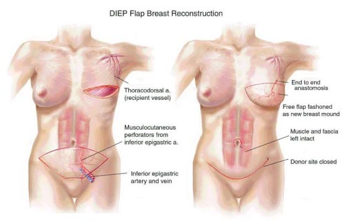

- Mastectomy and breast reconstruction DIEP method – using abdominal fat to reconstruct the breast and the patient got a free tummy tuck :P. This was amazing. 

- Breast lift

- Liposuction

- Scar revision

- Traumatic hand reconstruction

- Flaps 

- Latissimus dorsi breast reconstruction 

- Carpal tunnel

- Dupuytren contracture

Plastic surgery had more possibilities and depth than I knew coming in. My perceptions of plastic surgery was what I've seen on TV ie. greys anatomy and celebrities. I did not see any cosmetic surgery on this rotation. Most cases were cancer patients that were getting their cancer surgically removed. Plastics was responsible for fixing the area and making it functional. Microsurgery was awe-striking. I never knew such surgery existed. You can literally take any part of your body and attach it somewhere else on your body. Plastic surgery are for those who are detailed orientated as it requires a lot of time and patience to attach small arteries, veins and ligaments.

Picture I found on the internet- microsurgery

I was amazed at what the PAs got to do. One PA who has been working for only 2 years was cutting, suturing on their own and was well respected by the residents. I could see the trust the surgeons have with the PAs. They prefer the PA in assisting in certain cases especially the PAs who have been working there for years. The PAs truly function as physician extenders. Here they were like residents that never leave. I recommend this elective for those who are interested in surgery. I admit it was difficult standing for more than 2 hours, my hips would start acting up :P . Some cases we would stand even up to 7 hours. 

This was a great rotation with awesome PA mentors.


Tuesday, 12 August 2014

ROTATION #11: SURGERY


All the PA students take their Surgery rotation in pediatrics general surgery. This is an awesome rotation! The surgeons are great and our team worked well together. This is what a typical day would look like


7:00am – 7:45am – Rounds – these are quick rounds. We looked at vitals, urine output, ins/outs, any issues overnight and any plans for the day. Our service would round on 2 to 15 patients from what I’ve seen.


7:45am – 4:00pm – This can include OR assist or Clinics. Most likely the surgical resident on your team will go to the OR. 

4:00pm – 4:30 pm - Sign over – the team along with the surgeon on call come together and discuss any issues or concerns for overnight.

CLINICS – Most of the patients you see are follow up appointments from a surgical procedure. The important things to ask are pain concerns, changes in appetite and if there are any changes to their urination and bowel movements. It is also important to look at the incision sites and if there are signs of infection. You would use your SOAP note format. For new consults you proceed with your H&P, PMH and exam.

OR ASSIST

You will get to assist the surgeon more likely on your call shift. I was able to assist with the laparoscope while the surgeon performs the surgery. In some cases you can help with suturing. I got to puncture an incision and drainage of an abscess on a babies bum :P

CALL SHIFTS – 24 hours!

Call shifts are my favourite part of pediatric surgery. When you are on call you receive the pages for the new consults in emerge or on the wards. You also get calls from the surgical ward with any concerns that the nurses may have. All new consults you receive you review with the on call surgeon. I recommend the first day you are on service to watch how a new consult is done that way you know where all the paper work is and how to write a proper consult – (I had to figure it out on my on :P). Call was great! You feel a great sense of autonomy since you are on your own overnight. I learned the most on my call shifts. I recommend when you are called for a consult to look it up quickly before you see them. That way you know what to look for in certain cases and prepared to present the pertinent information to the surgeon.


How you feel after a call shift :P
As for how busy you will be is variable. I had nights where I had no calls until 3:00 am :P or I would be up all night with new consults and assisting in the OR.

ADMISSION NOTE AND COMMON MEDICATIONS 

Use the acronym AD DAVID 
A: Admit to ____ (ward) and admitting doctors name
D: Diet orders
A: Activity orders
V: Vital schedule
I: Investigations
D: Drugs 

Example for admission for a 40kg male with appendicitis

GENERAL ORDERS
Admit to surgery ward under Dr. Happy
Diagnosis: Appendicitis
NPO (nothing per oral)
AAT (activity as tolerated)
Vitals as routine

MEDICIATIONS – (remember for peds you dose by weight) 
Bolus now 500cc NS for 1hr
D5NS @80 cc/hr IV (remember the 4-2-1 rule)
Gentamycin 60mg IV q8h (4.5mg/kg/day)
Metronidiazole 400mg IV q8h (10 mg/kg/dose)
Ampicilin 2.0g IV q6h (20mg/kg/day)
Tylenol 650mg q6h prn PO
Morphine 2-4 mg IV q3h PRN
Gravol 20-40 mg IV q4h pRN

I’ll try to get a cheat sheet of medication doses on here once I’m back in Winnipeg (Currently I’m in the Northwest Territories: P)

COMMON CASES


**APPENDICITIS!! – This will be the main consult you will see ** know how to do a proper abdominal exam

Inguinal hernia – key question – is it painful

Umbilical hernia – usually non-surgical. May be done for cosmetic reasons when they are older

Pyloric stenosis – know olive sign

Ingestion of foreign body – usually coins ie. Loonie and penny. These kids are cute/funny. X-ray is important in this one to determine where it is and if a scope is required.

Testicular torsion – important to know time of pain onset

Gastroischesis

Gastric Tube consults and follow up

Reasons for ileostomy and when an ileostomy take down can occur

Traumatic kidney injury (http://radiopaedia.org/articles/renal-trauma-grading)

Traumatic splenic injury

Pectus Excavatum

Pectus Carinatum


Unfortunately I came onto the service during the summer so there wasn’t any teaching sessions or grand rounds. Luckily I had the notes of my fellow classmates that came before me and I was able to study on my own. Overall I enjoyed this rotation. Call was definitely the best part.

Tuesday, 15 July 2014

ROTATION #10 - PSYCHIATRY


I was placed on the adult psychiatry service that deals with consults on the hospital wards. Here is what my day would look like.
 
8:30am Team meeting - Discuss any consults pending and determine any follow up required on patients previously consulted 

9:00am – 2:30pm This time can include teaching and grand rounds if scheduled. Otherwise this time is dedicated for follow ups on patients and any consults that need to be done for the day

2:30pm - 5:30 pm – Psych rounds - The team rounds on the new consults that have been first seen by the student/resident with the attending that is on for the service. Together you watch the attending lead the patient interview and deterimine the final assessment and plan. Here I learned what you look for in different psychiatric presentations. 


In psych you don't need a stethoscope and you also don’t need to touch your patient: P. As the weeks went by I started to style my hair down (don't need to tie it up for OR or procedures) and wear “nicer clothes”:)

In psychiatry your words are your tools and the patient interview is important.  At first I thought I was being judgmental but in psychiatry you need to describe how the patient looks, how they speak, smell and how they think. Psych is the art of observing, describing behavior/mood and determining how you can help. 

CONSULTS - what is included 

ID 
Reason for consult 
HPI - Depending on the consult it is important to add collateral history from the patients family and friends. Asking them if there are any changes in the patients behavior or their thoughts on how the patient is managing. For example if they believe that the patient is able to make financial or medical decisions. 
ROS – I ask if they have any auditory or visual hallucinations, suicide ideation and questions that suggest mania or depression depending on the consult. 
Past Psych History – any past psych admissions and history 
Meds/Allergies 
Social history - important as most presentations are environmentally influenced ex. drugs, alcohol, abuse, family
MSE (mental status exam) – appearance, behavior, speech, mood, affect, thought process, insight and judgement, cognition (MOCA or MMSE scoring system) 

PSYCH ON CALL (weekdays till 11pm weekends 8am-11pm)
We also had call for psychiatry which was psych consults from either adult or pediatric emerge. On call you work with a resident and assist with patient interviews /consults. Most emerge consults were unfortunately suicide attempts and ideation on both the adult and pediatric sides. 

WHAT I SAW
Psychosis
Schizophrenia
Hypomania
Opioid/benzo withdrawal
Anxiety
Capacity / Competency consults
Suicide attempt – hanging, stabbing, drug overdose ex. tylenol
Suicide ideation
Borderline personality disorder - cutters
Depression (know your acronym SIGECAPS)
Anorexia nervosa
Psychotic porphyria
Post-partum psychosis 


RECOMMENDED BOOKS

1. Interview Guide for Evaluating DSM-IV Psychiatric Disorders and Mental Status Examination by Mark Zimmerman MD
 
    2. The Mental Status Exam – Explained by David J. Robinson MD

  Overall I enjoyed psychiatry. It was a change of pace from internal medicine and it was a different perspective of health. In psychiatry you analyze the patient’s mental health and how it influences the patient’s life. You spend more time with your patient discussing how they feel and together determine the best treatment options.   From this rotation I learned how much your mind impacts your rehabilitation and course in hospital as well as how common mental illnesses are.